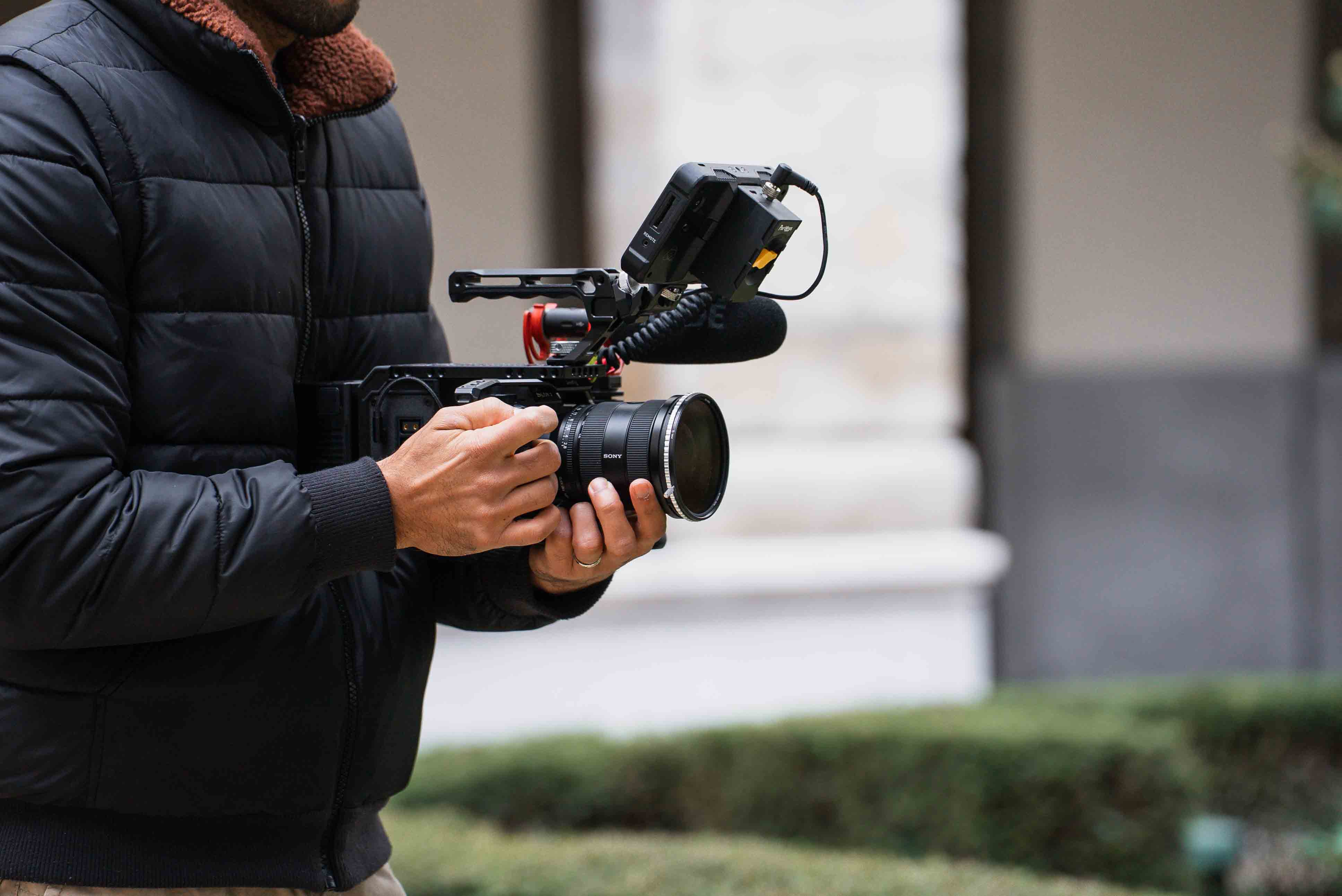

Choosing a camera rig is an essential step for any videographer.
Yet, many ask the same question: Which camera rig is truly suitable for my shoot?
There isn't one perfect universal rig for everything, but rather a rig adapted to each use case.
In this article, we'll help you understand which rig to choose according to your type of shoot, your skill level, and your working style.
Why choosing the right camera rig is crucial
A camera rig is not just an assembly of accessories.
It will determine:
- your shooting comfort,
- the stability of your image,
- your autonomy,
- and your speed of execution in the field.
A poorly adapted rig causes fatigue more quickly, slows down shoots, and often leads to overcompensating with unnecessary equipment.
Conversely, a well-designed rig fades into the background, supporting creation.
The key principle: adapt your rig to its use
The first mistake beginners make is wanting to put everything on one rig.
The correct approach is the opposite:
👉 start with your intended use, then build the rig around it.
A vertical shoot for social media does not have the same needs as a long interview or a cinema shoot.

The universal rig: the foundation of any setup
For whom?
- Beginners
- Versatile videographers
- Freelancers who work with multiple formats
Usage
The universal rig serves as a foundation.
It allows for building multiple configurations without starting from scratch.
With a modular system like Rig’it X, you can:
- film light one day,
- switch to a more advanced setup the next,
- without changing your entire installation.
👉 It's the ideal starting point when you want to grow without limits.

The filmmaker rig: versatility and comfort
For whom?
- Solo videographers
- Run & Gun shooters
- Content creators
Usage
This type of rig is designed for essentials:
- well-balanced camera,
- good grip,
- only indispensable accessories.
The Rig’it A7, for example, is perfect for those who want to:
- get the camera out quickly,
- shoot without overthinking,
- maintain a stable image without making the setup too heavy.
👉 Ideal for learning, progressing, and filming regularly.

The vertical rig: meeting the demands of social media
For whom?
- Instagram, TikTok, YouTube Shorts creators
- Social media agencies
- Brands and freelancers focused on digital content
Usage
The vertical format imposes new constraints:
- precise framing,
- clear readability,
- comfortable monitoring.
A vertical rig with a 7-inch monitor allows for clean vertical work, without makeshift solutions.
It is now an indispensable rig for those who regularly produce social content.

The interview rig: autonomy and security
For whom?
- Journalists
- Corporate videographers
- Video podcasters
Usage
An interview primarily requires reliability:
- long battery life,
- secure audio monitoring,
- stability.
A well-designed interview rig allows for filming several hours continuously, without technical stress.
With audio monitoring like DJI Mic, you control your audio in real time and focus on the conversation.

The corporate rig: clean and professional image
For whom?
- Corporate videographers
- Agencies
- Freelancers working with brands
Usage
The corporate rig is designed for a controlled image:
- Sony FX3 camera
- versatile zoom (35–150mm),
- Matte box.
It's the ideal rig for:
- corporate films,
- corporate interviews,
- premium content.
👉 It inspires confidence, both for the client and the camera operator.

The cinema rig: total control on set
For whom?
- Cinematographers
- Technical teams
- Film and advertising productions
Usage
The cinema rig is designed for demanding shoots:
- V-Lock power supply,
- wireless transmitter,
- advanced focus systems like DJI Focus Pro.
It allows for working long hours, with multiple people, with total control over the image and accessories.

The hybrid rig (UFO rig): one setup, multiple formats
For whom?
- Hybrid creators
- Social + long-form videographers
- Versatile freelancers
Usage
The hybrid rig allows for quick switching:
- from vertical to horizontal,
- from social use to a more classic shoot.
It's the ideal solution when formats change quickly, without having time to completely reconfigure your setup.
Conclusion: there isn't one good rig, but the right rig for you
The best camera rig is the one that:
- matches your type of shoot,
- adapts to your workflow,
- evolves with your skill level and projects.
With a modular system like Rig’it, you no longer choose a fixed rig,
you build a setup that evolves with you.
👉 Discover Rig’it and configure the one that matches your use.